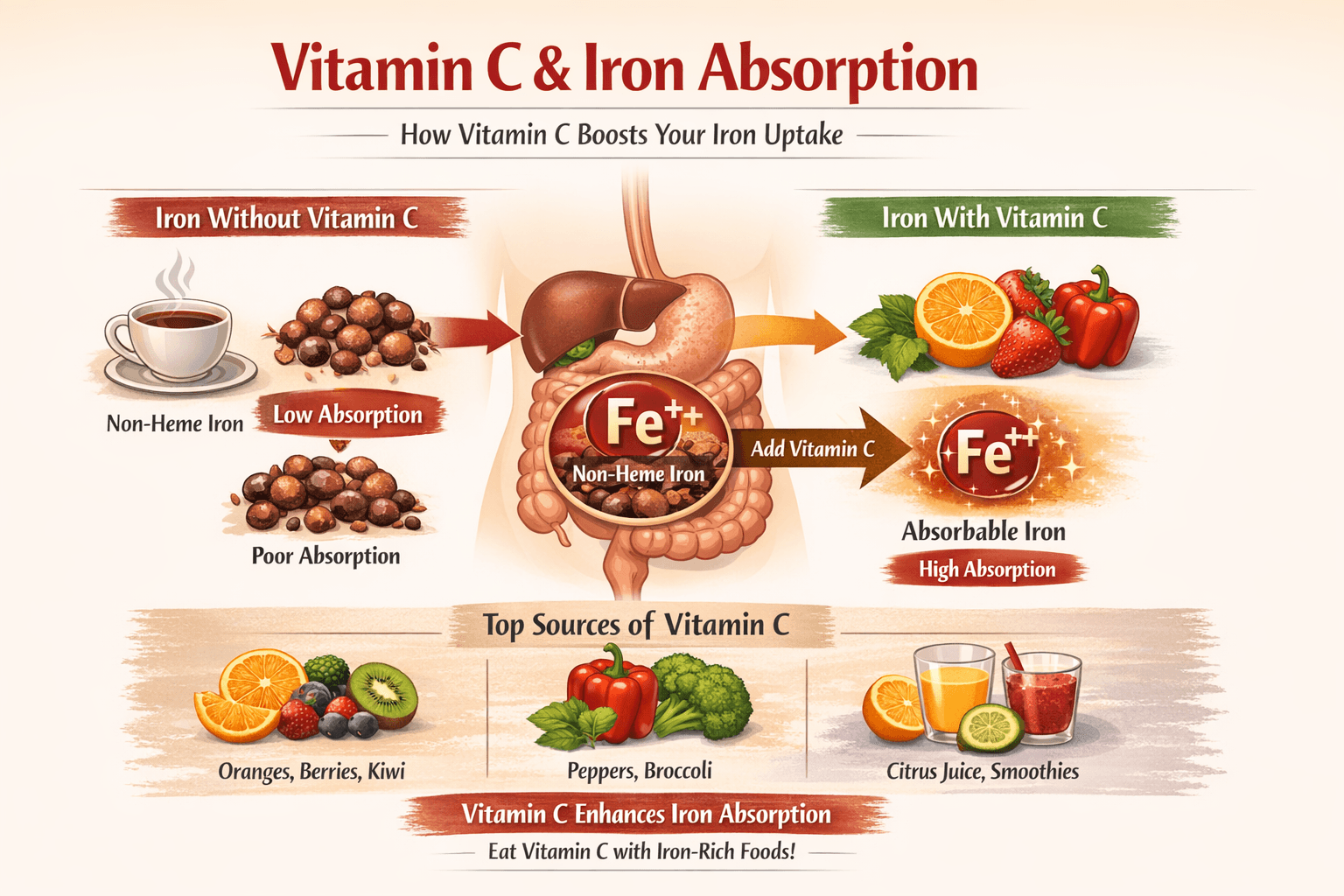
Vitamin C and iron absorption
Vitamin C and iron work closely together in the body. Understanding the relationship between vitamin c and iron absorption can help you prevent iron deficiency, improve energy levels, and get the most from the foods or supplements you take. This guide explains how vitamin C affects iron absorption. Why Iron Is Important for Your Health…
/


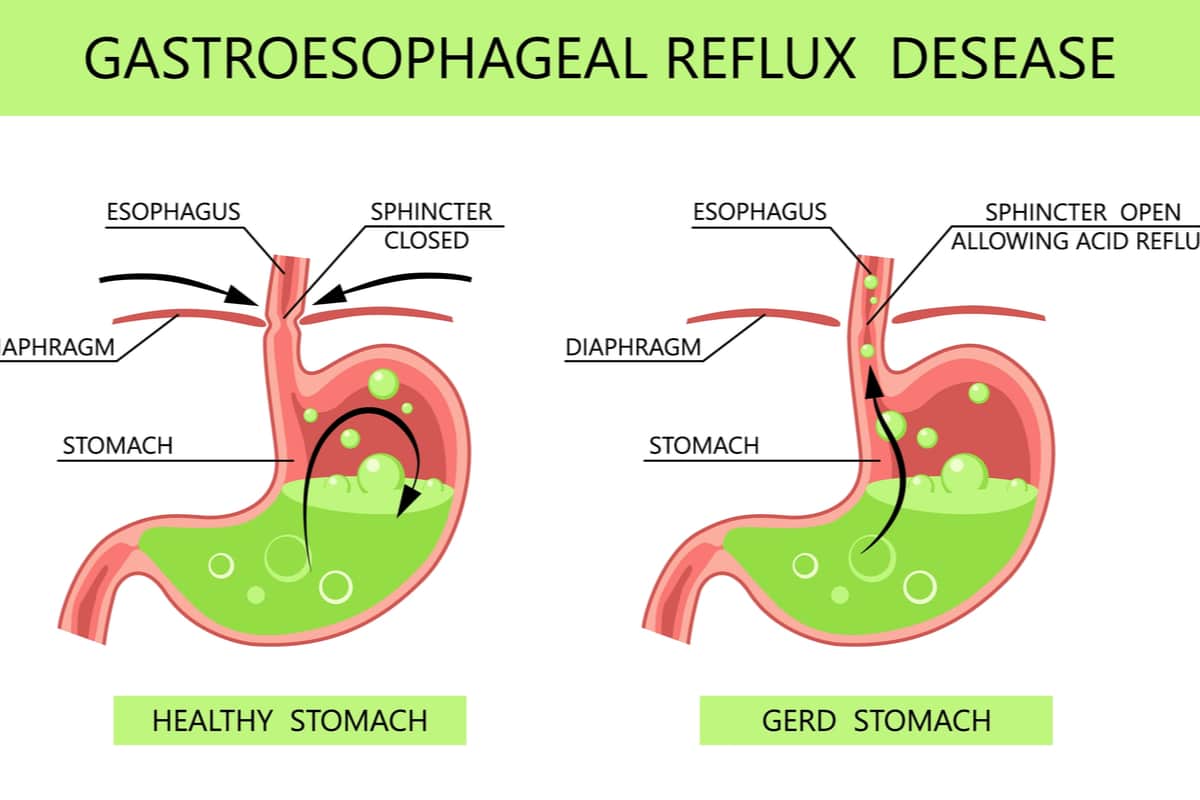
Acid Reflux After Bariatric Surgery: Gastric Sleeve vs Roux‑en‑Y Gastric Bypass Explained
Heartburn and acid reflux are common concerns for people considering or recovering from weight‑loss surgery. While bariatric surgery often improves reflux symptoms, some procedures can trigger or worsen acid reflux in certain patients. Understanding the differences between gastric sleeve and Roux‑en‑Y gastric bypass can help you make informed decisions and get the right treatment if…
/

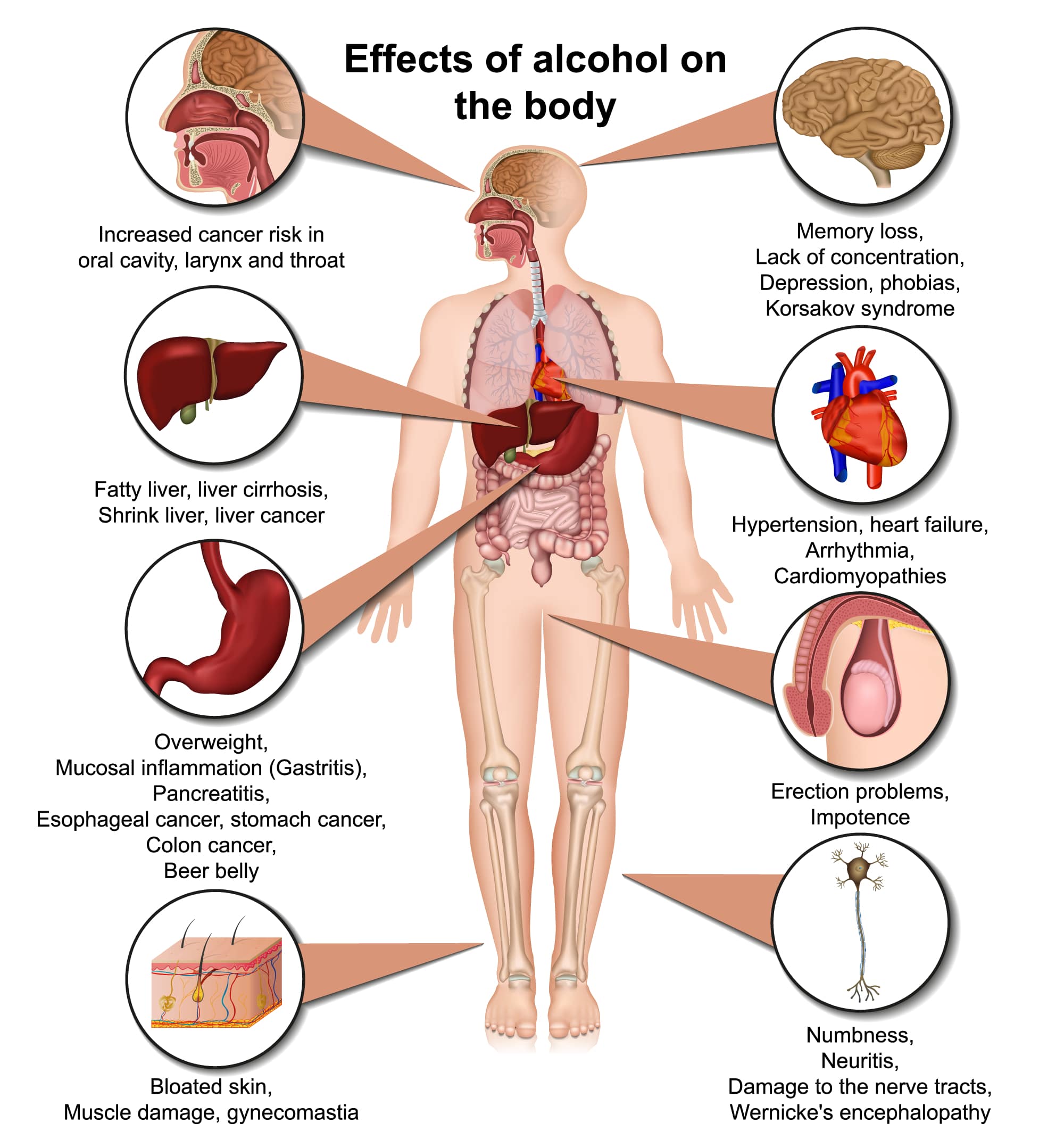
Effects of Alcohol After Bariatric Surgery
Bariatric surgery can be a powerful tool for improving health, mobility, and quality of life. However, it also leads to permanent changes in how your body absorbs and processes food and drink. One area that often surprises patients is alcohol. The effects of alcohol after bariatric surgery are usually stronger, faster, and longer‑lasting than before…
/
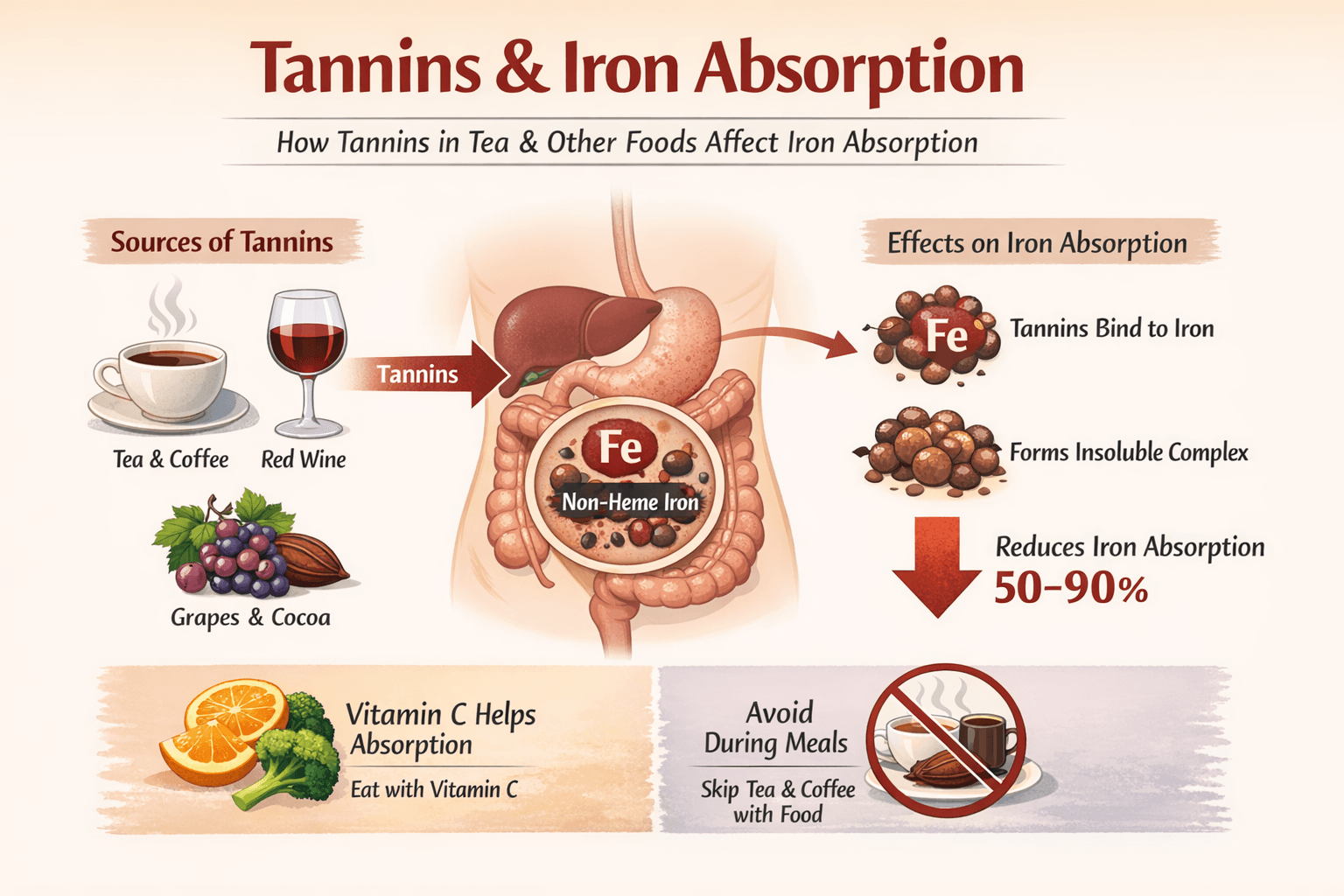
Tannins and Iron Absorption
Maintaining healthy iron levels is essential for energy, immunity, and overall wellbeing. But many people don’t realize that certain natural plant compounds—tannins and polyphenols—can significantly influence how much iron your body absorbs. These compounds are abundant in everyday foods and drinks like tea, coffee, wine, legumes, and grains, making it important to understand their effects.…
/
Vitamin B12 Deficiency After Bariatric Surgery: Why It Happens, How to Prevent It, and the Role of Bariboost
Vitamin B12 deficiency after bariatric surgery is common. It is one of the most common long‑term nutritional issues after bariatric surgery—especially gastric bypass, sleeve gastrectomy, and duodenal switch. The good news? It is also one of the most preventable. Bariatric surgery transforms health, mobility, and quality of life—but it also permanently changes how your body…
/
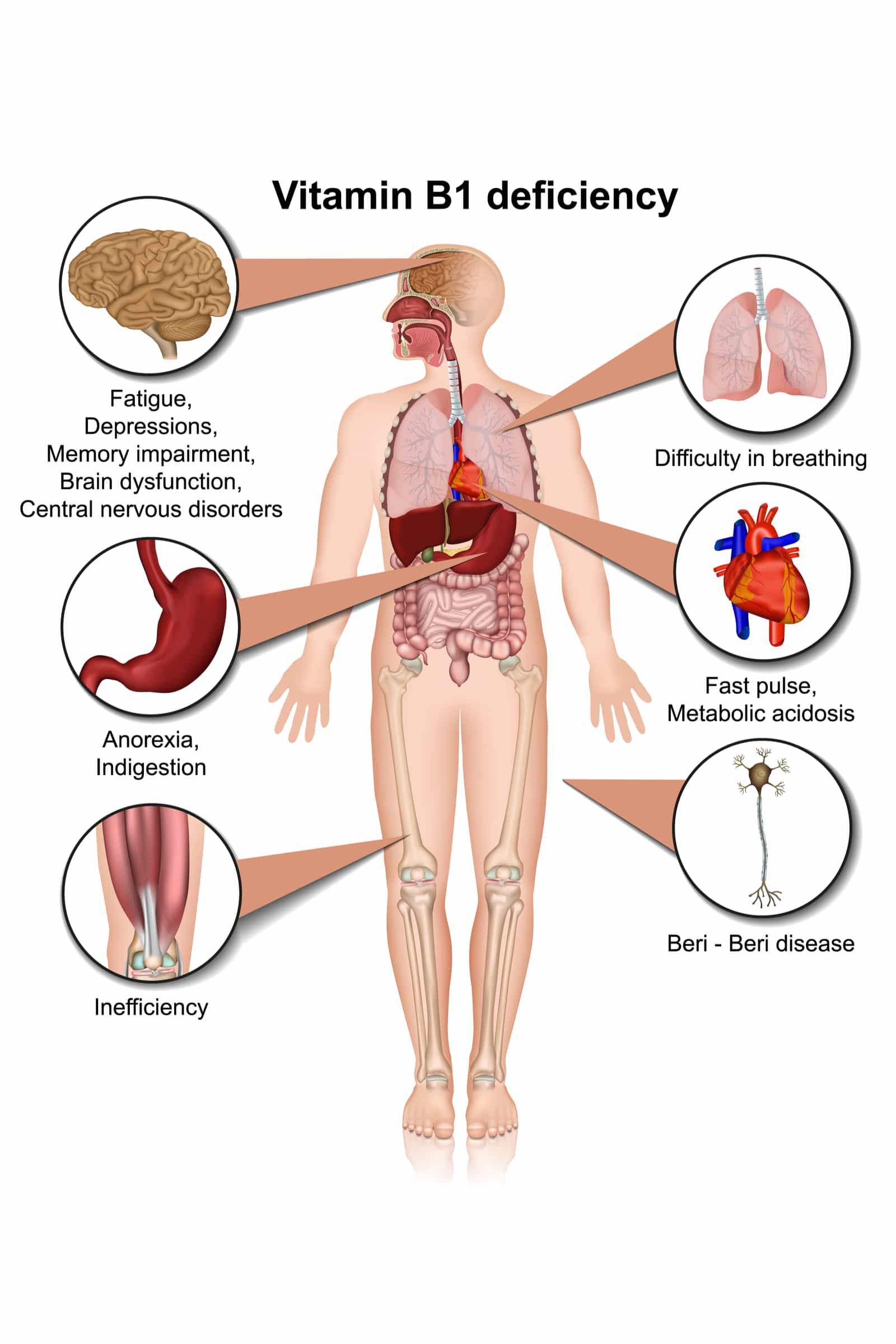
Understanding Thiamine Deficiency After Bariatric Surgery
Why Thiamine Matters Thiamine Deficiency After Bariatric Surgery Why Patients Are at Risk Monitoring & Early Detection What BOMSS Recommends Signs & Symptoms to Watch For Be alert to: Early detection is critical—delayed treatment can result in permanent damage even after supplementation begins. Treatment Guidelines When thiamine deficiency is confirmed or strongly suspected, follow these…
/

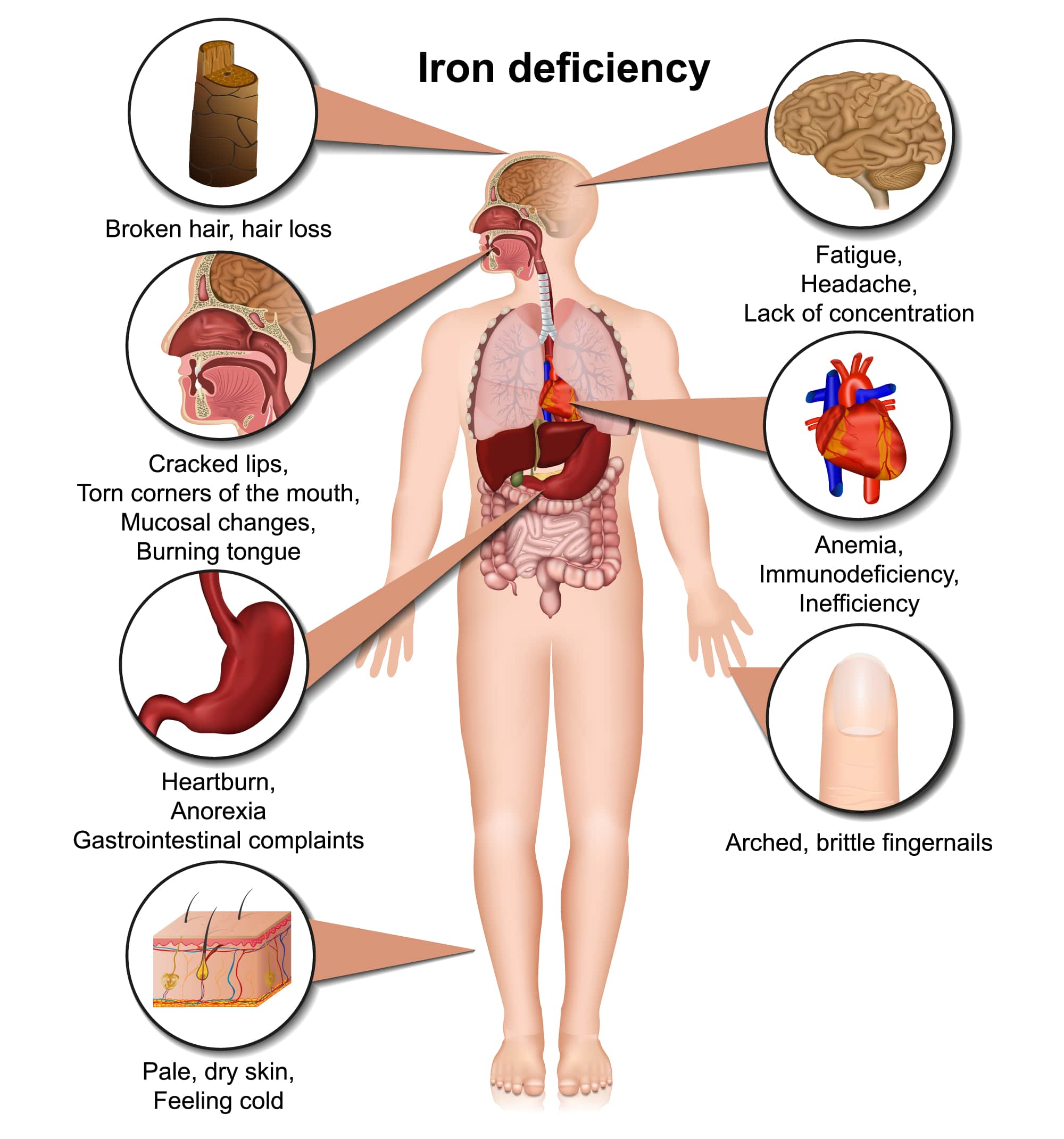
Iron Deficiency Anaemia After Bariatric Surgery: A Comprehensive Guide
Iron deficiency anaemia is a well‑recognised long‑term complication after bariatric surgery. Because these procedures alter the stomach and small intestine, they also change how nutrients—especially iron—are absorbed. Without proactive monitoring and supplementation, patients can develop iron deficiency or iron‑deficiency anaemia, sometimes severe enough to require intravenous treatment. This guide explains why iron deficiency happens, how…
/