Acid Reflux After Bariatric Surgery: Gastric Sleeve vs Roux‑en‑Y Gastric Bypass Explained
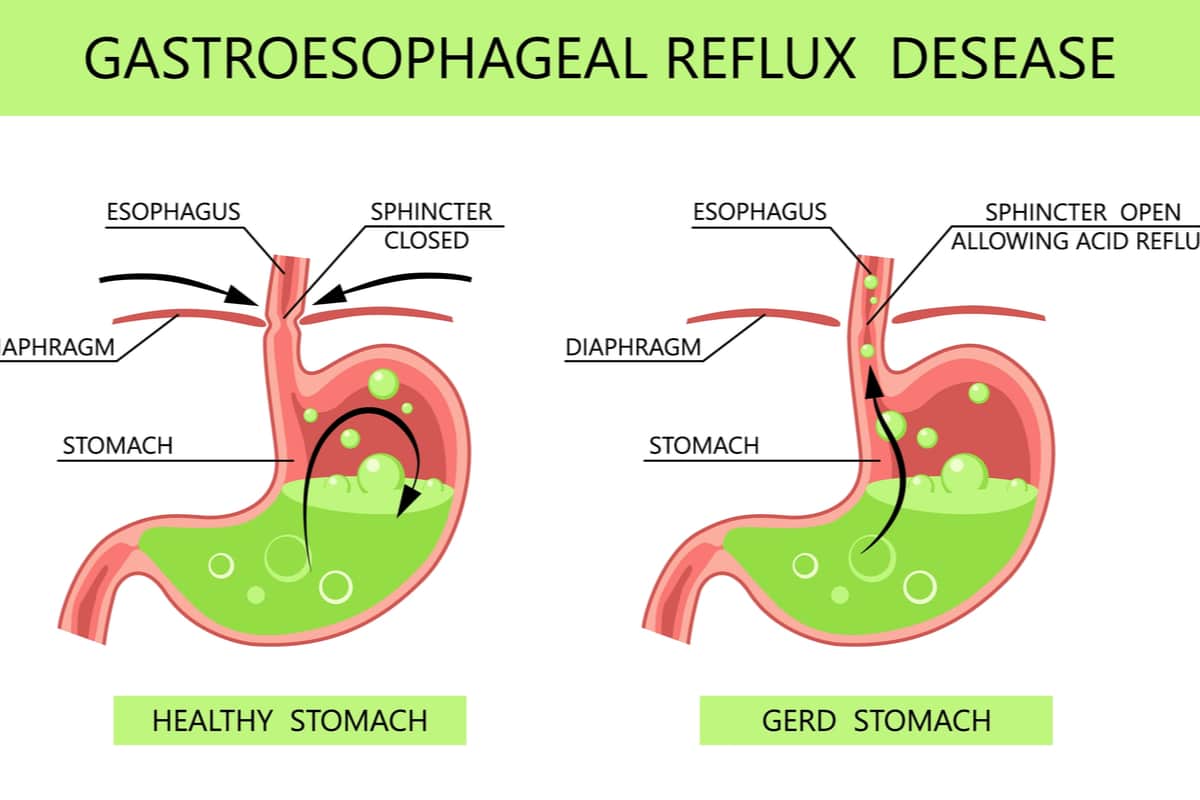
Heartburn and acid reflux are common concerns for people considering or recovering from weight‑loss surgery. While bariatric surgery often improves reflux symptoms, some procedures can trigger or worsen acid reflux in certain patients. Understanding the differences between gastric sleeve and Roux‑en‑Y gastric bypass can help you make informed decisions and get the right treatment if…
/


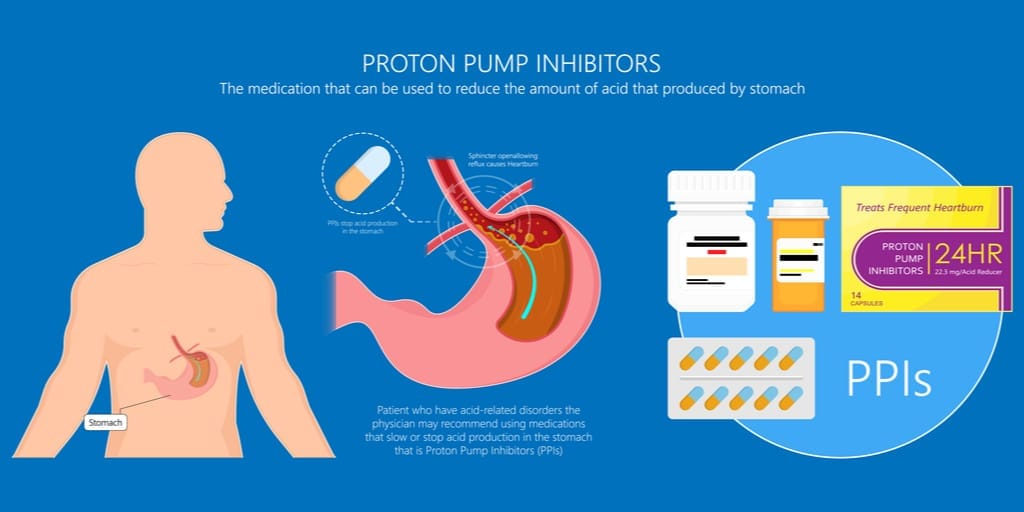
Lansoprazole After Bariatric Surgery — Dose, Formulation, Duration
After bariatric surgery most UK centres discharge patients on an orodispersible proton‑pump inhibitor (commonly lansoprazole 30 mg once daily) for 3–6 months to prevent marginal (anastomotic) ulcers; use orodispersible, liquid or opened‑capsule formulations early post‑op and review at 3 months with nutrient checks if PPI therapy continues. Why acid suppression matters after bariatric surgery Lansoprazole: practical prescribing…
/

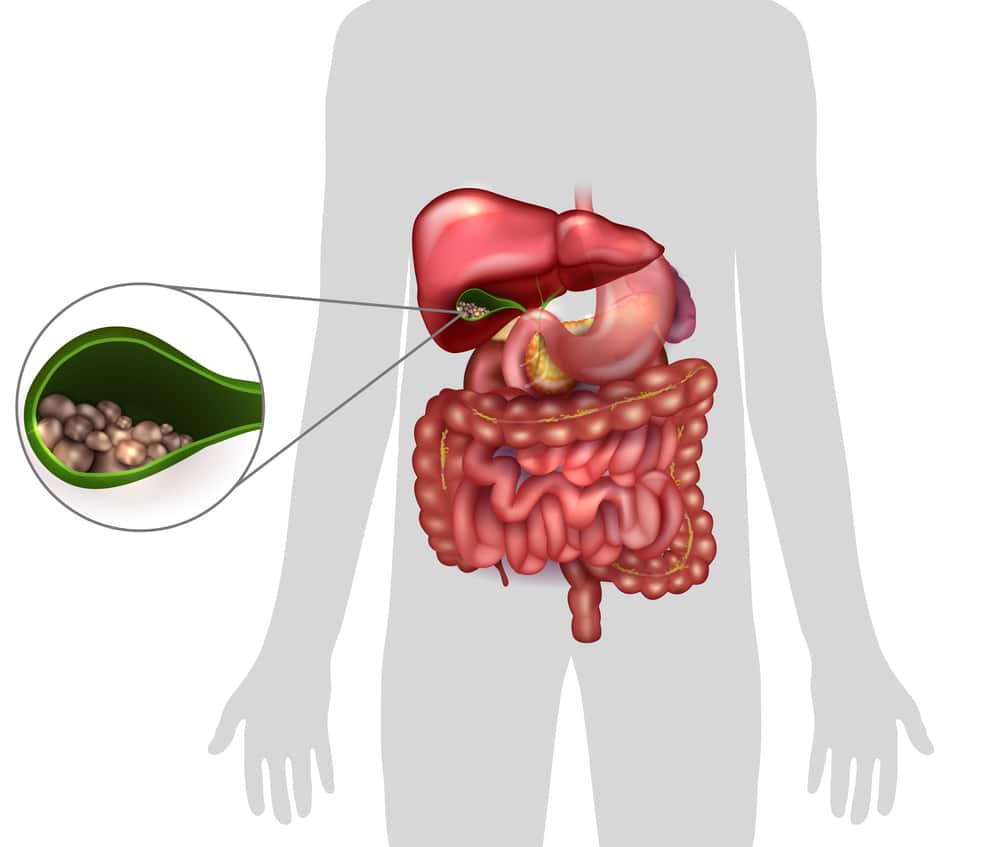
Ursodeoxycholic Acid After Bariatric Surgery: Why It Matters & What the Research Shows
Why Ursodeoxycholic Acid After Bariatric Surgery Is a Big Deal Bariatric surgery is life‑changing — but rapid weight loss also increases the risk of developing gallstones, which can lead to pain, infection, and even emergency surgery. Research consistently shows that ursodeoxycholic acid (UDCA) significantly reduces this risk. Two major studies — one from PubMed Central…
/
Medication Absorption After Bariatric Surgery: What You Need to Know
Understanding medication absorption after bariatric surgery is essential for both patients and their carers. Whether someone has undergone a gastric bypass, gastric sleeve, or another bariatric procedure, your stomach and intestines change in size and shape. This means medicines may not break down or absorb the same way they did before. These changes can affect:…
/
Calcium Deficiency After Bariatric Surgery: BOMSS Guidance, Dosing, and Why Calcium Citrate Is Preferred
Who this post is for Adults in the UK after sleeve gastrectomy, Roux‑en‑Y gastric bypass, OAGB, SADI or other bariatric procedures seeking clear, actionable guidance on preventing and managing calcium deficiency after bariatric surgery. Why calcium deficiency happens after bariatric surgery Bariatric procedures reduce stomach volume, lower gastric acid production, and often bypass the duodenum…
/

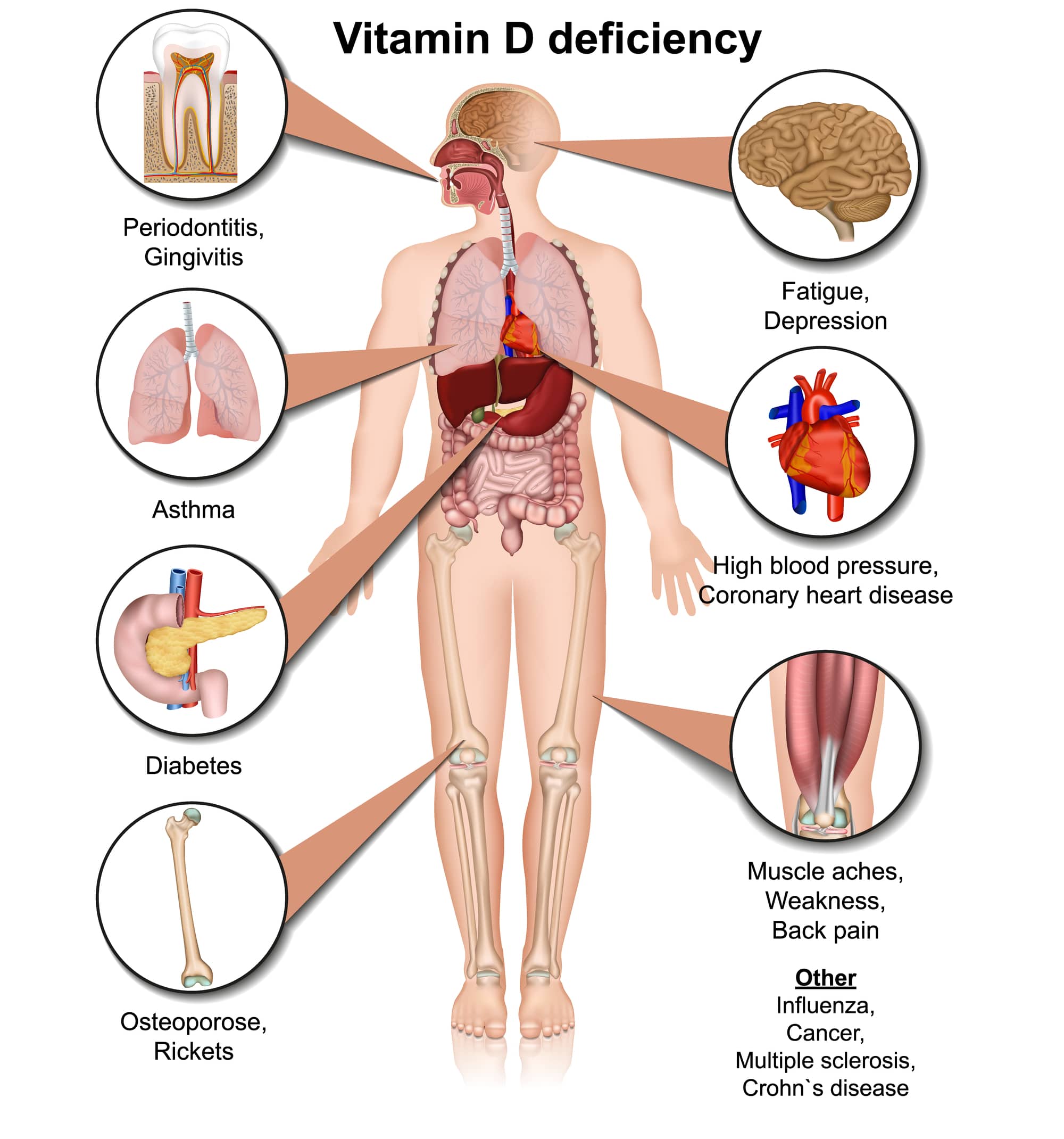
Vitamin D Deficiency After Bariatric Surgery: Causes, Risks & How Bariboost Helps Prevent It
Vitamin D deficiency is one of the most common micronutrient problems after bariatric surgery — and if left unmanaged, it can lead to bone loss, fatigue, muscle weakness, and long‑term health complications. The British Obesity & Metabolic Surgery Society (BOMMS) provides clear guidance on how much vitamin D patients need after surgery, and choosing the…
/

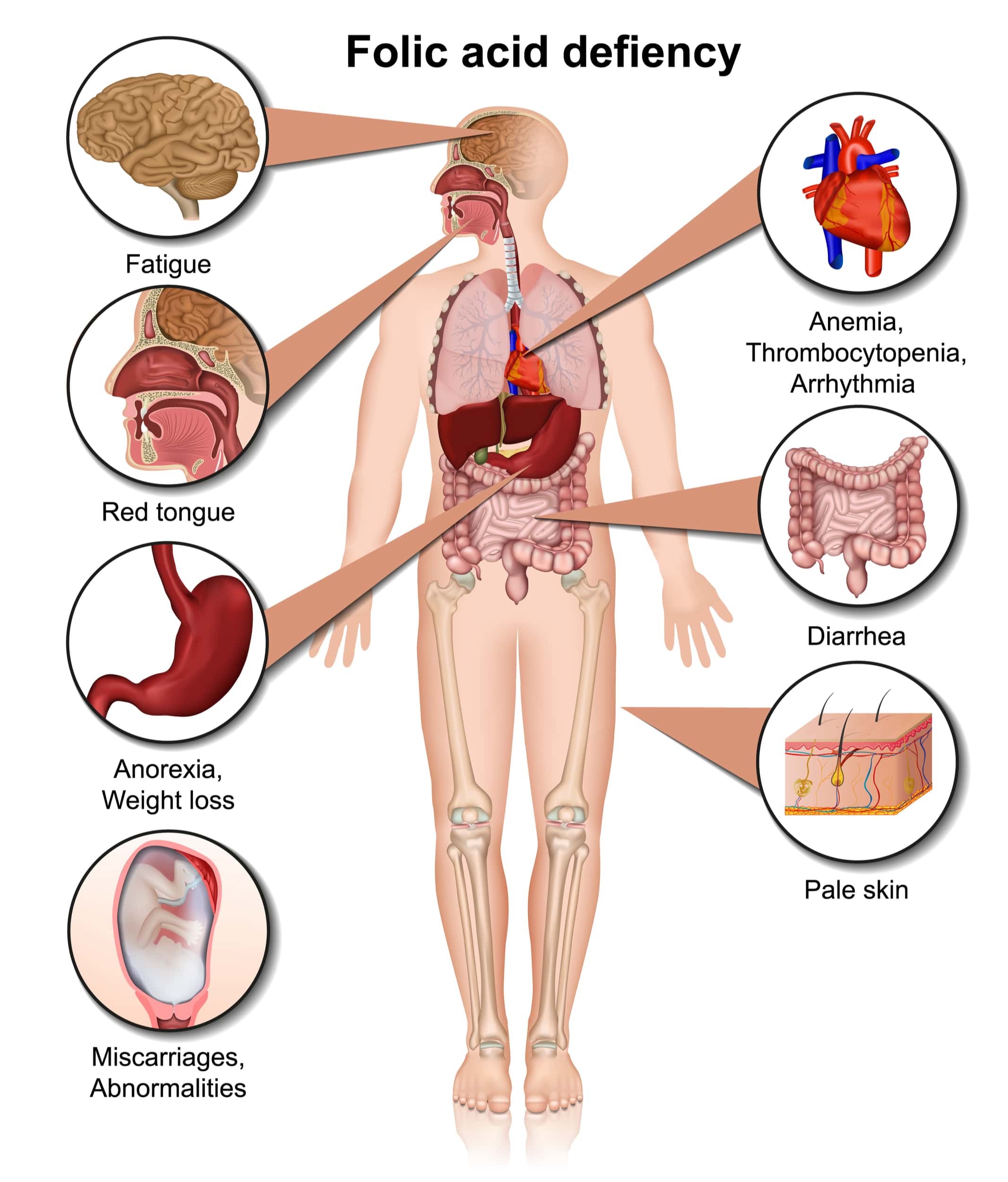
Folic Acid Deficiency After Bariatric Surgery: Causes, Risks & How to Prevent It
Bariatric surgery is life‑changing — improving metabolic health, mobility, and quality of life. But it also permanently alters how your body absorbs nutrients. One of the most important nutrients affected is folate (vitamin B9). Folate deficiency can lead to anaemia, fatigue, neurological symptoms, and pregnancy complications. Fortunately, with the right monitoring and supplementation, it is…
/