
Bariatric surgery can be a powerful tool for improving health, mobility, and quality of life. However, it also leads to permanent changes in how your body absorbs and processes food and drink. One area that often surprises patients is alcohol.
The effects of alcohol after bariatric surgery are usually stronger, faster, and longer‑lasting than before surgery. Understanding these changes can help you protect your health, avoid complications, and support your long‑term weight‑loss success.
Why Alcohol Affects You Differently After Bariatric Surgery
After bariatric surgery, your stomach is smaller and food passes more quickly into the small intestine. This changes how alcohol is absorbed:
- Alcohol reaches the bloodstream much faster
- Blood alcohol levels rise higher with smaller amounts
- You may feel intoxicated very quickly
- Alcohol takes longer to leave your system
Even one drink can feel similar to several drinks before surgery. These effects happen regardless of body size or gender and can vary by surgery type.
Alcohol also provides “empty calories” and does not support your nutritional needs, which are especially important after bariatric surgery.
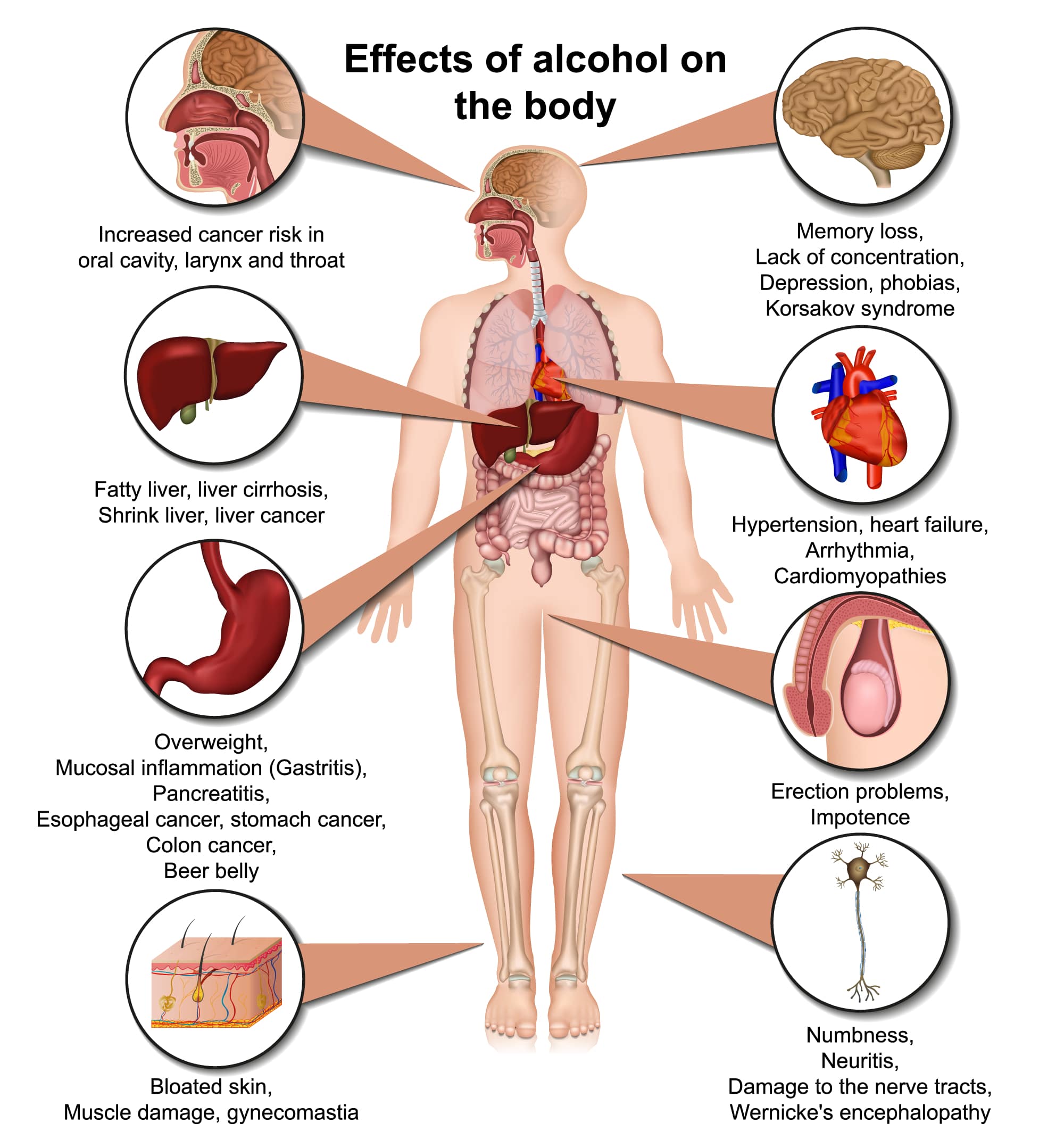
Effects of Alcohol After Gastric Bypass Surgery
Gastric bypass surgery has the greatest impact on alcohol absorption.
Rapid Intoxication
Because alcohol bypasses much of the stomach after gastric bypass, it is absorbed almost immediately in the small intestine. Many patients report:
- Feeling drunk within minutes
- Needing much less alcohol to feel the effects
- Difficulty judging how intoxicated they are
This can increase the risk of accidents or unsafe situations.
Higher Risk of Alcohol Dependency
Studies show that patients who have undergone gastric bypass have a higher risk of developing alcohol use problems compared with other bariatric procedures. This may be due to:
- Faster and more intense alcohol effects
- Changes in gut hormones that affect reward and mood
- Using alcohol as a coping mechanism after surgery
For this reason, many bariatric teams recommend avoiding alcohol entirely after gastric bypass.
Nutritional and Digestive Effects
Alcohol after gastric bypass can:
- Worsen vitamin and mineral deficiencies
- Trigger dumping‑like symptoms (dizziness, sweating, nausea)
- Slow weight loss or contribute to weight regain
Effects of Alcohol After Gastric Sleeve Surgery
Alcohol also affects patients after gastric sleeve surgery, though typically less dramatically than gastric bypass.
Lower Alcohol Tolerance
With a much smaller stomach and reduced digestive enzymes:
- Alcohol is absorbed more quickly than before surgery
- Patients feel the effects with fewer drinks
- Tolerance remains permanently reduced
Increased Reflux and Stomach Discomfort
Alcohol can irritate the stomach lining and increase acid production. For sleeve patients, this may:
- Worsen heartburn or reflux
- Cause nausea or stomach pain
- Increase the risk of gastritis
Impact on Weight Loss
Alcohol can interfere with weight loss after sleeve surgery by:
- Adding excess calories
- Increasing appetite
- Reducing healthy food choices
General Health Risks of Alcohol After Bariatric Surgery
Regardless of the type of surgery, alcohol use after bariatric surgery can increase the risk of:
- Dehydration
- Liver strain or damage
- Low blood sugar
- Poor judgement and injury
- Weight regain
Maintaining good hydration and nutrition is essential after surgery, and alcohol can make this more difficult.
Practical Guidelines for Alcohol After Bariatric Surgery
Most bariatric clinics recommend:
- Avoiding alcohol for at least 6–12 months after surgery
- Never drinking on an empty stomach
- Limiting intake to very small amounts
- Avoiding sugary, carbonated, or high‑calorie drinks
- Never driving after drinking, even one drink
Always follow the personalised advice given by your surgeon or dietitian.
Alcohol After Bariatric Surgery: UK Clinical Guidance
In the UK, bariatric teams commonly advise patients to avoid alcohol entirely for at least 6–12 months after surgery, in line with NHS and specialist weight‑management recommendations. Some patients—particularly those who have had gastric bypass surgery—are advised to avoid alcohol long term due to increased risks.
UK clinicians also highlight:
- Strict limits on alcohol under UK drink‑driving laws, as legal limits may be exceeded rapidly after surgery
- Increased safeguarding around alcohol use for patients with a history of emotional eating or mental health concerns
- The importance of discussing alcohol openly during routine post‑operative follow‑up appointments
Individual advice may vary, so patients are encouraged to follow guidance provided by their bariatric surgeon, specialist nurse, or dietitian.
Some patients choose to drink occasionally after the first year, but tolerance remains permanently reduced. Others decide not to drink at all, especially after gastric bypass. Always follow your medical team’s guidance.
After bariatric surgery, alcohol is absorbed more rapidly into the bloodstream and reaches higher levels than before, even with small amounts.
Yes. Alcohol absorption is faster and stronger after gastric bypass, and the risk of alcohol use disorder is higher compared with gastric sleeve surgery.
Yes. Alcohol contains empty calories, can increase appetite, and may reduce healthy food choices, all of which may contribute to weight regain.
Yes. Alcohol can interfere with nutrient absorption and worsen deficiencies, especially B vitamins, which are already a concern after bariatric surgery.
Most clinics recommend avoiding alcohol for at least 6–12 months after surgery. Some advise lifelong avoidance, particularly after gastric bypass.
Key Takeaway
The effects of alcohol after bariatric surgery are significant and long‑term. Whether you’ve had gastric bypass or gastric sleeve surgery, alcohol will affect you differently than before.
Being informed and cautious can help you protect your health, support your weight‑loss journey, and enjoy the long‑term benefits of bariatric surgery. If you’re unsure about alcohol use, speak to your bariatric team for personalised advice.