

Vitamin B12 deficiency after bariatric surgery is common. It is one of the most common long‑term nutritional issues after bariatric surgery—especially gastric bypass, sleeve gastrectomy, and duodenal switch. The good news? It is also one of the most preventable.
Bariatric surgery transforms health, mobility, and quality of life—but it also permanently changes how your body absorbs nutrients. Vitamin B12 is one of the nutrients most affected, and deficiency can lead to fatigue, anaemia, nerve damage, and cognitive changes if not properly managed.
Below is a clear, patient‑friendly guide based on the BOMSS (British Obesity & Metabolic Surgery Society) Guidelines and supported by how Bariboost Bariatric Multivitamin helps prevent deficiency.
The UK’s most complete bariatric multivitamin
Why Vitamin B12 Deficiency Happens After Bariatric Surgery
Reduced Stomach Acid & Intrinsic Factor
Procedures like gastric bypass and sleeve gastrectomy reduce the stomach’s ability to produce intrinsic factor—an essential protein needed to absorb B12.
Bypassed Absorption Sites
In gastric bypass, part of the small intestine where B12 is absorbed is bypassed, reducing uptake even further.
Lower Intake
Smaller portions and food intolerances (especially to meat) can reduce dietary B12 intake.
Symptoms of Vitamin B12 Deficiency
- Persistent fatigue
- Pins and needles or numbness
- Memory problems or brain fog
- Pale skin
- Shortness of breath
- Mood changes
- Glossitis (inflamed tongue)
Important: Nerve damage from B12 deficiency can become irreversible if untreated.
What BOMSS Guidelines Recommend
The BOMSS guidelines provide clear, evidence‑based recommendations for preventing and treating B12 deficiency after bariatric surgery.
Routine Monitoring
BOMSS recommends regular monitoring of:
- Vitamin B12
- Folate
- Ferritin
- Full blood count
This is because deficiencies can mask each other—for example, folate deficiency can hide the signs of B12 deficiency.
Routine B12 Supplementation
BOMSS recommends:
- Three‑monthly intramuscular B12 injections for gastric bypass, sleeve gastrectomy, and BPD/DS patients.
This is due to the high likelihood of malabsorption after these procedures.
Long‑Term Commitment
B12 supplementation is lifelong, not temporary.
How Bariboost Helps Prevent Vitamin B12 Deficiency
Bariboost Bariatric Multivitamin is designed specifically for post‑bariatric patients and aligns closely with BOMSS recommendations.
Key Features Relevant to B12 Prevention
Contains Bariatric‑Dose Vitamin B12
Bariboost includes B12 in a dose appropriate for post‑surgery needs, supporting energy levels and neurological health. Bariboost is designed with the unique nutritional needs of bariatric patients in mind. After weight loss surgery, the digestive system changes in ways that can make it harder for the body to absorb essential vitamins and minerals. That’s why Bariboost uses the most bioavailable and easily absorbable nutrient forms—ingredients your body can recognise, handle, and use with far less effort. This approach helps ensure you get the nourishment you need, even with a smaller stomach and reduced absorption pathways.
A key part of this formula is the use of methylated vitamins, including methylcobalamin (vitamin B12). Methylcobalamin is already in the active form your body prefers, which means it doesn’t need to be converted before it can be used. For bariatric patients—who often struggle with B12 absorption due to reduced stomach acid and altered digestion—this can make a meaningful difference. The body can take in methylcobalamin more efficiently, supporting energy levels, nerve health, and red blood cell production.
By choosing nutrient forms that are naturally easier for the body to process, Bariboost helps bridge the gap created by surgical changes. It’s a thoughtful, science‑aligned approach to supplementation that prioritises absorption, effectiveness, and long‑term wellbeing. With Bariboost, you’re giving your body bariatric vitamins it can actually use—right when you need them most.
Should I still take vitamin B12 injection with Bariboost?
Bariboost bariatric multivitamin can be safely taken with the recommended injection. If you are worried about taking too much vitamin B12, it is highly unlikely that you will take too much vitamin B12 from supplements. Vitamin B12 is a water-soluble vitamin, which means it dissolves in water and is quickly absorbed by your body. It is stored in the liver and any excess vitamin B12 your body doesn’t need is excreted via urine.
Vitamin B12 is generally considered safe, even when taken in high doses as your body can only absorb a fraction of B12 supplements. Bariboost multivitamin contains 500 mcg of vitamin B12 and a healthy person will only absorb about 10 mcg (absorption is only about 2% at doses of 500 mcg). Those of us who have had bariatric surgery may absorb less as these surgeries can result in the loss of cells that secrete intrinsic factor which is a protein in the stomach needed to absorb vitamin B12.
Adults require 2.4 mcg daily. There is currently no Tolerable Upper Intake Level (UL) established for vitamin B12 due to its low level of toxicity.
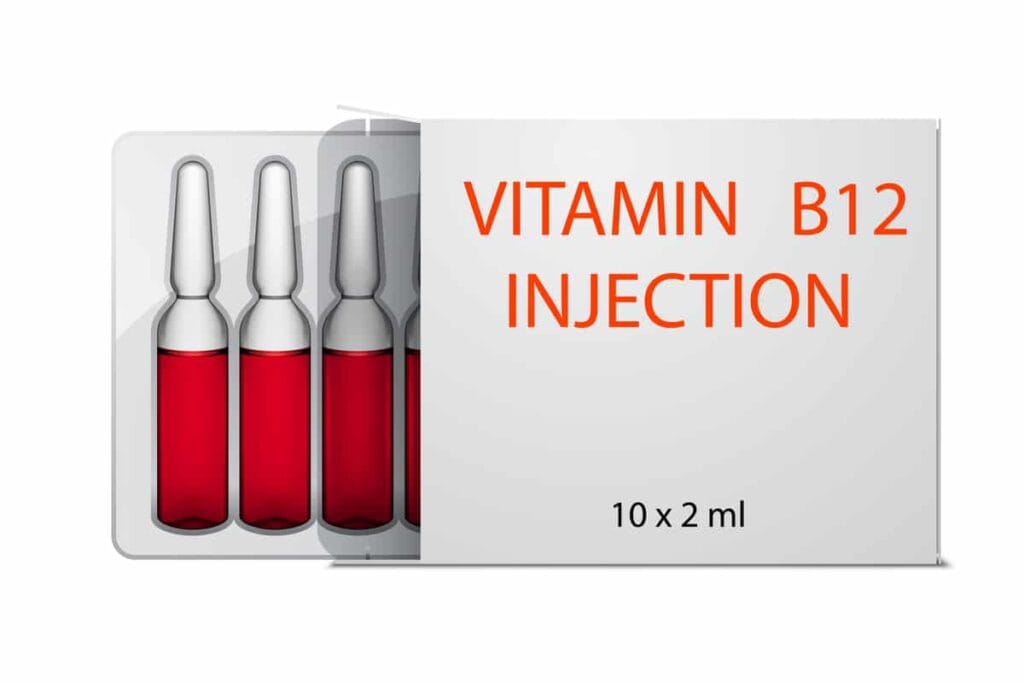
How often should you take Vitamin B12 injection after bariatric surgery
BOMMS recommends that those who have had bariatric surgery take an intramuscular vitamin B12 injection every three months. Some bariatric vitamins have a good amount of vitamin B12 in them.
Vitamin B12 deficiency is common but completely preventable after bariatric surgery. With the right combination of regular monitoring, lifelong supplementation, and a BOMSS‑compliant multivitamin like Bariboost, you can protect your energy, cognition, and long‑term health.